Have you been experiencing a sharp pain in your lower back or noticed blood in your urine? While these symptoms may seem harmless at first, they could be early warning signs of a kidney stone. Kidney stones often start with mild symptoms that people ignore. However, delaying treatment can lead to severe pain, urinary blockage, infections, and even permanent kidney damage. The good news is that early diagnosis can often prevent complications and make treatment much simpler. In this article, we’ll explain the early symptoms of kidney stones, who is at risk, when you should consult a doctor, available treatment options, and practical ways to prevent future kidney stones.
Early Signs of Kidney Stones at a Glance
If you’re experiencing any of these symptoms, it’s important not to ignore them:
- Severe pain in the back, side, or below the ribs
- Pain or burning while urinating
- Blood in the urine (pink, red, or brown urine)
- Frequent urge to urinate
- Passing only small amounts of urine
- Cloudy or foul-smelling urine
- Nausea and vomiting
- Fever and chills (may indicate an infection and requires immediate medical attention)

What Are Kidney Stones?
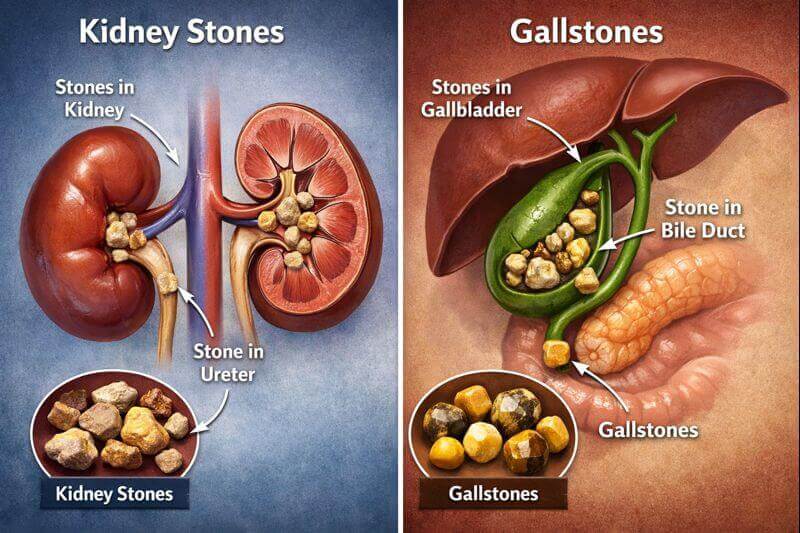
Kidney stones are hard deposits of minerals and salts that form inside the kidneys when urine becomes highly concentrated. As water levels decrease, minerals like calcium, oxalate, and uric acid begin to crystallise and stick together, eventually forming stones. These stones can range from the size of a grain of sand to several centimetres. While smaller stones may pass naturally through the urinary tract, larger stones can become lodged, causing intense pain, blockage, and infection. According to the National Kidney Foundation, nearly one in ten people will develop a kidney stone during their lifetime. In India, kidney stones affect approximately 5–12% of the population, with higher rates reported in North India due to hot weather, dehydration, dietary habits, and genetic factors.
What Causes Kidney Stone?
Kidney stones develop due to a combination of lifestyle, dietary, and medical factors.
Your risk increases if you:
- Drink insufficient water
- Consume a diet high in salt
- Eat excessive amounts of animal protein
- Frequently consume processed or packaged foods
- Are overweight or obese
- Have diabetes
- Experience recurrent urinary tract infections
- Have a family history of kidney stones
- Take certain medications that increase stone formation
- Live in hot climates where dehydration is common
Although anyone can develop kidney stones, men are generally at higher risk than women. However, the number of women being diagnosed with kidney stones has also increased significantly in recent years.
Early Kidney Stone Symptoms You Should Never Ignore
1. Persistent Pain in the Back or Side One of the earliest symptoms of a kidney stone is pain in the lower back, side, or just below the ribs. Initially, the discomfort may feel mild or intermittent. As the stone moves through the urinary tract, the pain often becomes severe, sharp, and cramp-like. It typically comes in waves and may spread towards the lower abdomen or groin. If the pain suddenly becomes intense or unbearable, seek medical attention immediately.
2. Pain or Burning While Urinating A burning sensation during urination can occur when a kidney stone reaches the lower urinary tract. Many people mistake this symptom for a urinary tract infection (UTI). Since both conditions require different treatments, it’s important to consult a doctor for an accurate diagnosis.
3. Blood in the Urine Seeing blood in your urine can be alarming. As kidney stones move, they may scratch the lining of the urinary tract, causing bleeding. Your urine may appear:
- Pink
- Red
- Brown
Sometimes the blood isn’t visible but is detected during laboratory testing. 2Any unexplained blood in the urine should always be evaluated by a doctor.4. Frequent Urination Do you constantly feel the need to urinate, even when very little urine comes out? A kidney stone near the bladder can create a persistent urge to urinate, making you visit the washroom more frequently than usual.
5. Cloudy or Foul-Smelling Urine Cloudy urine or urine with a strong smell may indicate a urinary tract infection occurring alongside a kidney stone. Ignoring an infection can increase the risk of kidney damage.
6. Nausea and Vomiting The kidneys and digestive system share common nerve pathways. That’s why severe kidney stone pain often causes nausea and vomiting, especially during painful episodes.
7. Fever and Chills – A Medical Emergency If kidney stone symptoms are accompanied by fever or chills, seek immediate medical care. These symptoms may indicate a kidney infection, which can become life-threatening if left untreated.
When Should You See a Urologist?
While some small kidney stones pass naturally, certain symptoms should never be ignored. Consult a doctor immediately if you experience:
- Severe or persistent back or side pain
- Blood in the urine
- Difficulty passing urine
- Fever or chills
- Persistent nausea or repeated vomiting
- Reduced urine output
- Symptoms that continue for more than a few hours
Prompt treatment helps prevent urinary obstruction, kidney infections, and long-term kidney damage.
How Are Kidney Stones Diagnosed?
Your doctor will first discuss your symptoms and medical history before recommending appropriate investigations. These may include:
- Urine analysis to detect blood or infection
- Blood tests to evaluate kidney function
- Ultrasound of the kidneys and urinary tract
- CT scan for accurate stone size and location
- X-ray in selected cases
These investigations help determine the most suitable treatment approach.
Kidney Stone Treatment Options
Treatment depends on the size, location, and type of kidney stone. Small Kidney Stones Many small stones can be managed with:
- Increased water intake
- Pain-relieving medications
- Medicines that relax the urinary tract
- Regular monitoring
Large or Blocking Kidney Stones
If the stone is large or causing blockage, your urologist may recommend minimally invasive procedures such as: - Extracorporeal Shock Wave Lithotripsy (ESWL)
- Ureteroscopy with Laser Lithotripsy
- Percutaneous Nephrolithotomy (PCNL)
- Advanced endoscopic stone removal procedures
These modern techniques generally involve smaller incisions, less pain, shorter hospital stays, and faster recovery.
Can Kidney Stones Be Prevented?
Although kidney stones cannot always be prevented, healthy lifestyle habits can significantly reduce the risk of recurrence. 4Doctors recommend:
- Drink 2.5–3 litres of water daily.
- Reduce salt intake.
- Limit excessive animal protein.
- Eat plenty of fruits and vegetables.
- Maintain a healthy body weight.
- Exercise regularly.
- Follow dietary advice if you’ve had kidney stones before.
- Attend regular follow-up appointments if recommended by your doctor.
When is it an Emergency?
Seek immediate medical attention if you experience:
- Fever above 101°F (38.3°C)
- Severe kidney stone pain that doesn’t improve with medication
- Inability to pass urine
- Heavy blood in the urine
- Persistent vomiting leading to dehydration
- Sudden decrease in urine output
These symptoms may indicate urinary blockage or a serious kidney infection that requires urgent treatment.
Frequently Asked Questions (FAQs)
Can kidney stones go away on their own?
Yes. Small kidney stones often pass naturally with adequate hydration and medication. Larger stones may require medical intervention.
How long does kidney stone pain last?
Pain may last from a few minutes to several hours and often comes in waves as the stone moves through the urinary tract.
Can drinking water dissolve kidney stones?
Water doesn’t dissolve existing stones, but drinking enough water helps small stones pass naturally and reduces the risk of new stones forming.
What foods increase the risk of kidney stones?
High-salt foods, excessive animal protein, sugary beverages, and processed foods can increase the risk in susceptible individuals.
Can kidney stones cause fever?
Yes. Fever accompanied by kidney stone symptoms may indicate a kidney infection and requires immediate medical attention.
Which doctor should I consult for kidney stones?
A urologist specialises in diagnosing and treating kidney stones and other urinary tract conditions.
Don’t Ignore the Early Signs
Kidney stones rarely appear without warning. Persistent back pain, blood in the urine, painful urination, or frequent urination are your body’s way of signalling that something may be wrong. The sooner kidney stones are diagnosed, the simpler and more effective the treatment is likely to be. Seeking medical attention early can help prevent severe pain, infections, urinary blockage, and permanent kidney damage.
Expert Kidney Stone Treatment at Aprajita Hospital, Lucknow
Toms of kidney stones, don’t wait for the pain to worsen. Schedule a consultation with our urology experts and take the first step towards protecting your kidney health.